
Reviewed · PHOTOGRAPHY SESSIONS
Full Day Queenstown & Southern Lakes Private Photography Tour
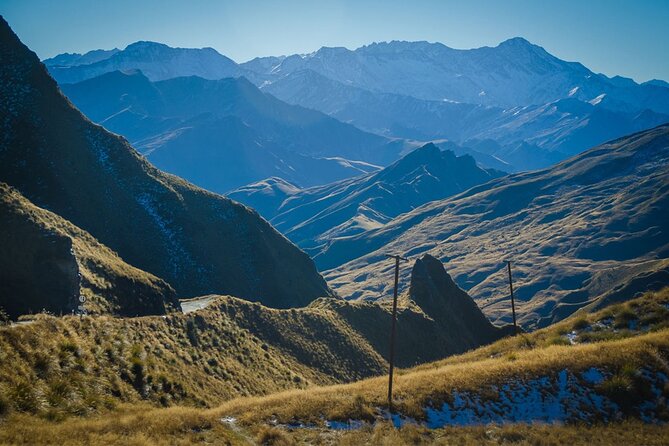
Queenstown is at its best when you get above the basin, leave the busy center behind, and point your camera toward the mountains, rivers, and old mining roads. This nine-hour private photography tour does exactly that, with a professional guide helping you work out what your camera can really do.
I like the freedom to choose between Glenorchy, Skippers Canyon, the Remarkables, or Wanaka. I also like the patient, personal teaching, especially for beginners. The main consideration is the price: at $263.74 per person, it makes the most sense for people who care about photography or want a private day rather than a standard sightseeing drive.
Key points at a glance
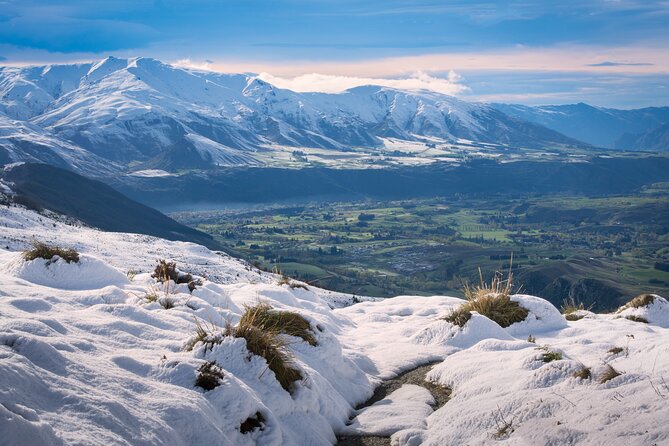
- Start with the best morning light: Pick-up begins at 8 am from Queenstown, Frankton, or Arrowtown, followed by high viewpoints around the Wakatipu Basin.
- Choose your own direction: Head west to Glenorchy, east toward Arrowtown and Gibbston, south toward Kingston, or north over the Crown Range to Wanaka.
- Learn practical camera controls: Your guide works with aperture, shutter speed, ISO, composition, and lighting.
- Travel in a private 4WD: Only your group takes part, with hotel transport and light refreshments included.
- Go beyond postcard views: You can photograph waterfalls, gold-mining sites, rivers, historic railways, film locations, and alpine roads.
- Bring your own camera or rent one: A Nikon D5100, D5600, or D7200 is available for $25 NZD per day.
Why this private Queenstown tour works so well
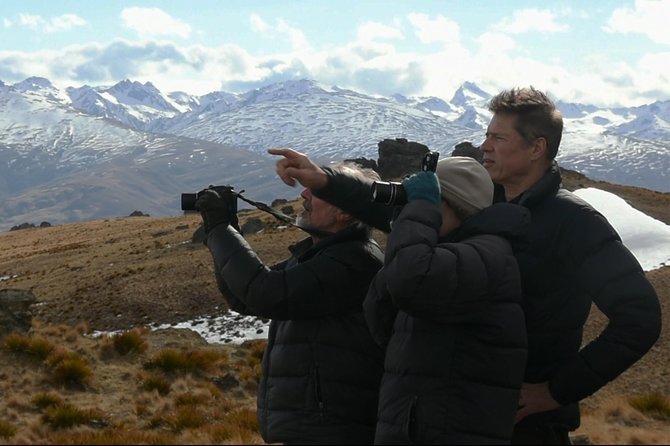
The best part of this experience is the combination of local touring and hands-on photography. You are not simply driven to a viewpoint, given ten minutes, and hurried back into a vehicle. Your guide can help you adjust the camera, pick a subject, wait for the right light, and explain why one composition works better than another.
That matters in Queenstown. The views are powerful enough to photograph on automatic settings, but the camera may not record the scene as your eyes see it. Bright sky, dark foreground, snow, water, and deep valley shadows can confuse a basic setting. Learning to control aperture, shutter speed, and ISO gives you a much better chance of bringing home pictures with detail and depth.
The private format is another strong point. You can ask to spend more time on a view, focus on architecture and old mining sites, or make the day more about mountains and rivers. A small group also means your guide can teach at your pace. If one person uses a compact camera and another carries a digital SLR, both can receive useful advice.
The trade-off is that this is a long day in a vehicle. The route can include winding mountain roads and several hours of driving, depending on your chosen direction. Lunch is not included, so you will need to buy it in a village along the way. Weather can also change the mood and photographic conditions, though the tour operates in all weather.
More Photo Sessions in Queenstown:
- AuthenticAs Star Gazing -Nightscape Portrait Photography Tour
★ 5.0 · 59 reviews - Photography Tour from Queenstown to Glenorchy – 1/2 Day
★ 5.0 · 32 reviews - Half-Day Queenstown Photography Tour
★ 5.0 · 28 reviews
An early start above the Wakatipu Basin
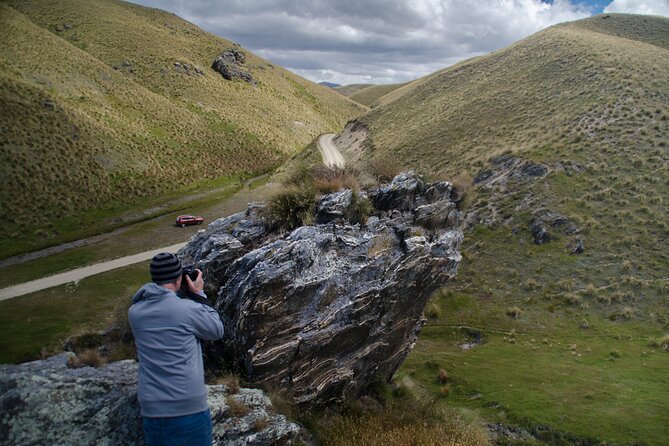
Pick-up is at about 8 am from a Queenstown, Frankton, or Arrowtown hotel. Starting early gives you a useful advantage: the light is often softer, and you have a full day ahead for the route that suits your group.
The first major stop is typically a high point such as Skippers Saddle. From here, you can look across Queenstown, Frankton, Arrowtown, and the wider Wakatipu Basin. This is a good place to begin learning because the view gives you several subjects at once: distant peaks, the lake, settlements, roads, and broad open country.
Your guide can help you decide what belongs in the frame. A wide view may show the scale of the basin, while a tighter composition can focus on ridgelines or patterns in the hills. You can also start practicing manual settings before the day becomes more complicated.
This first section is especially useful for beginners. You do not need previous photography training, and the experience suits both digital SLR users and compact-camera owners. If the controls on your camera have always seemed confusing, this is the point where aperture, shutter speed, and ISO become practical tools rather than menu items.
West to Glenorchy, Paradise, and Kinloch
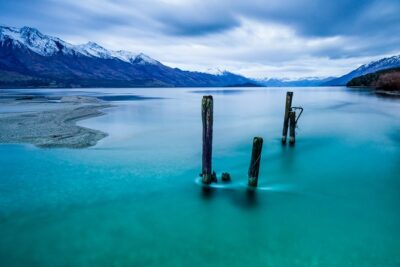
The western route follows Lake Wakatipu toward Glenorchy, Paradise, and Kinloch. This is the choice for waterfalls, rivers, forested areas, old mining sites, and broad lake views.
The Dart and Rees Rivers add variety to the day. Water gives you a chance to work with shutter speed. A faster setting can freeze movement, while a slower setting can show a softer flow if conditions and equipment allow. Your guide can help you make those choices rather than simply telling you to use one setting.
This route also brings in transport, farming, and gold-mining history. Abandoned or historic sites can make strong subjects because they add human detail to the mountain scenery. A weathered building, old mine, or former work site can give scale and story to a photograph that might otherwise be only rocks and sky.
You can also visit places connected with The Lord of the Rings. The appeal here is not only recognizing a film setting. The locations give you a reason to look closely at the shape of the valley, the river bends, and the relationship between open ground and mountain walls.
The west route is likely the best fit if you want a mix of water, woodland, heritage, and film-related stops. It is less focused on vineyards and formal town visits than the eastern route. The cost is time on the road, especially if your group wants to make many stops.
East through Arrowtown, Gibbston, and Kawarau Gorge
The eastern option combines heritage, vineyards, wide views, and the rugged Kawarau Gorge. It is a good choice if your interests stretch beyond mountain scenery.
Arrowtown brings a different visual character, with gold-mining heritage and historic details. The town gives you subjects at a more human scale: old buildings, streets, and reminders of the people who once worked the area. Your guide can help you move between architectural details and larger views instead of treating the stop as a quick photo break.
Gibbston Valley adds vineyard country and open hills. This route can suit you if you want images with strong lines and patterns, such as rows of vines against the surrounding hills. The gorge then changes the mood again, with rugged cliffs and narrow views.
The eastern route may be the easiest choice for a mixed-interest group. One person can focus on photography, another can enjoy heritage and vineyards, and everyone gets a taste of the region outside Queenstown. It may feel less wild than the road toward Glenorchy or Skippers Canyon, but that is also its strength. You get more variety in a single direction.
Lunch can be arranged in one of the villages along the way at your own expense. Since the day lasts about nine hours, do not treat lunch as an afterthought. You will be more comfortable if you plan to stop, eat, and recharge rather than trying to photograph continuously.
A few more Queenstown trips worth comparing
- Queenstown: Milford Sound Coach & Cruise Full-Day Trip
★ 4.7 · 2,592 reviews - From Queenstown: Milford Sound Full-Day Trip by Plane & Boat
★ 4.9 · 1,558 reviews - Full-Day Guided Sightseeing Tour of Mount Cook from Queenstown
★ 5.0 · 218 reviews - Bike The Wineries (Full-Day) – Bike & Wine Tour
★ 4.5 · 90 reviews
North to Coronet Peak and Skippers Canyon
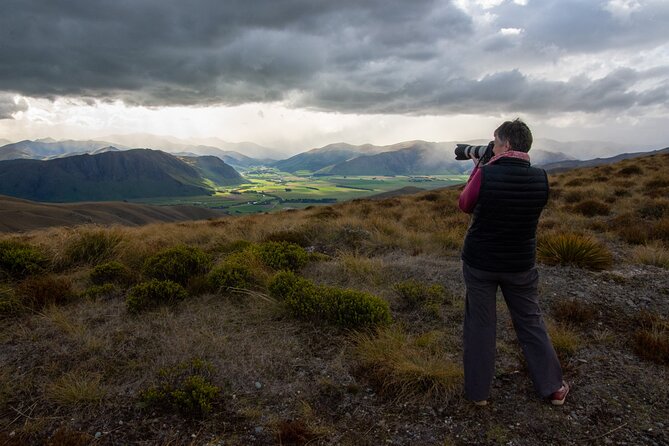
The northern route heads toward Coronet Peak and Skippers Canyon. This is the choice for high alpine views, tussock country, gold-mining heritage, and the famous craggy Skippers Canyon road.
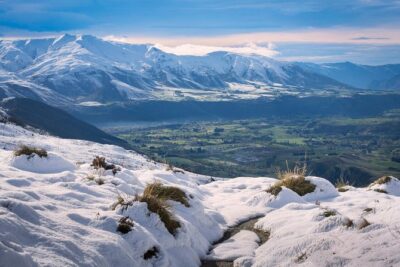
Coronet Peak offers a different outlook from the lower basin. Snow can change the appearance of the area, as one guest particularly enjoyed seeing the first snow of the year there. Conditions are not guaranteed, but the example shows how weather can add a memorable element to the day.
Skippers Canyon is the more dramatic section. The road is known for steep, rugged surroundings and vertiginous views. You should be comfortable with mountain roads before choosing this direction. The reward is a stronger sense of remoteness and a chance to photograph the marks left by gold mining alongside raw rock and alpine tussock.
Your guide’s local knowledge is valuable here. The route is not just a string of scenic pullouts. You can learn how to frame canyon walls, use a road as a leading line, and balance a large sky against a dark rock face. These are simple ideas, but they can make a big difference when the scenery is visually overwhelming.
Choose this route if you want Queenstown’s most rugged side. It is less suited to anyone who dislikes steep roads or prefers gentle village and vineyard stops.
South around the Remarkables and Lake Wakatipu
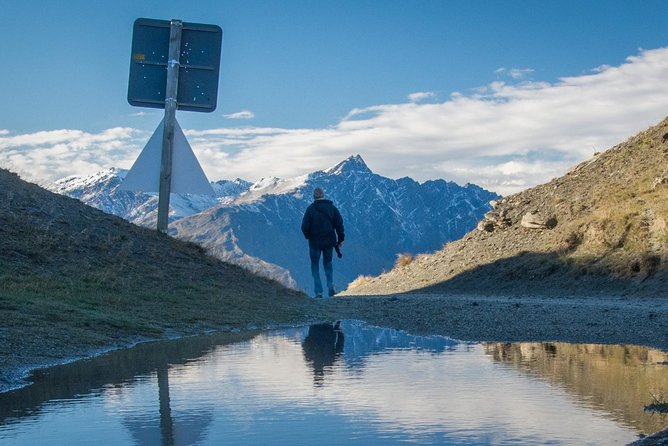
The southern route follows Lake Wakatipu toward Kingston and around the base of the Remarkables. You can photograph alpine peaks, waterfalls, wild rivers, open tussock, and unusual rock formations.
The Remarkables create a strong backdrop, but the best images may not always point directly at the famous range. Your guide can help you use foreground rock, river channels, or rough grass to give the photograph more structure. This is one reason a photography guide adds value over a normal sightseeing trip: you are encouraged to look for layers instead of simply recording the biggest mountain.
The route also includes an old steam railway. That gives the day a useful change of pace, with machinery and transport history alongside the natural views. A historic train or railway feature can provide texture and scale in a way that another mountain panorama cannot.
This southern direction is a good match for you if you want open space, mountain subjects, and a quieter feel. It may offer fewer built-up heritage stops than the eastern route, and the appeal depends heavily on weather and visibility around the Remarkables.
North over the Crown Range to Wanaka
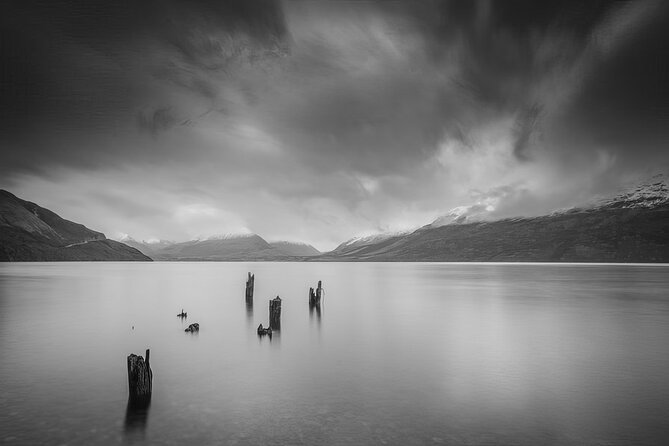
The route toward Wanaka crosses the Crown Range, described as New Zealand’s highest mountain road. The road itself becomes part of the experience, with wide views over valleys, Lake Wanaka, Mount Aspiring, and the Southern Alps.
This is the strongest option if your main goal is big mountain and valley photography. You can practice working with distance, layers, and changing light. A wide-angle view may capture the scale, while a longer lens can isolate a peak or ridge from the surrounding country.
The route also gives you a chance to compare the Queenstown and Wanaka sides of the region. The views are not simply more of the same. Valleys, lakes, and mountain lines create different shapes, and your guide can help you find compositions that avoid a flat, empty frame.
The drawback is distance. A full day helps, but there is still a lot of road between stops. If you want many detailed lessons or long sessions at each viewpoint, the shorter Queenstown-area options may suit you better. If you want a broad day of changing scenery and do not mind riding between photo stops, Wanaka is a strong pick.
What the photography instruction is really like
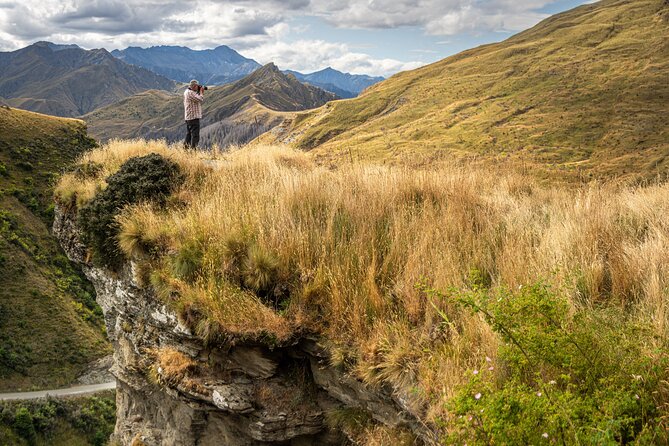
The teaching is aimed at usable skills, not technical jargon for its own sake. You can work on aperture, shutter speed, ISO, composition, and lighting with the equipment you already understand.
For a beginner, the main benefit is feedback at the exact moment you need it. Instead of trying to remember camera advice from a book, you can ask why the foreground is too dark, why the sky has lost detail, or why a mountain looks smaller in the photograph than it did in front of you.
For an experienced photographer, the value shifts toward access and local judgment. A professional guide can take you to favorite places away from the standard tourist map and suggest subjects you might otherwise pass without noticing. One particularly useful detail from the experience is that the guide takes time to learn your camera and adjust the instruction to it.
Martin is named repeatedly as a friendly and highly capable guide, with strong knowledge of photography, local history, and the region. Mark is also named in one account, so the exact guide may vary. If working with a particular person matters to you, ask before booking.
You bring your own camera, or you can rent a Nikon D5100, D5600, or D7200 for $25 NZD per day. That rental option helps if you are traveling without equipment, though you should not expect a camera rental to replace knowing the basics of the model before the morning begins.
Price, comfort, and what you receive
At $263.74 per person, this is not a cheap sightseeing outing. It is priced as a private day with a professional photographer, a flexible route, private transport, hotel pick-up and drop-off, and repeated instruction.
The value improves when two or more people in your party share the experience and each person wants personal photography help. It also makes more sense if you would otherwise pay for a separate scenic drive, a camera lesson, and transport around Queenstown.
Included are a comfortable 4WD, light refreshments, and a private guide. Lunch costs extra, and camera rental is extra if needed. The tour is for your group alone, which means no waiting for strangers to finish their photographs and no fixed public-coach schedule.
You should dress for changing weather. The tour runs in all conditions, and mountain weather can alter the light, temperature, and visibility. That is not always a disadvantage for photography, but it does mean you need practical clothing and realistic expectations.
Who should book this day
I would choose this tour if you want more than a quick viewpoint stop and you care about bringing home better photographs. It suits beginners who want a clear introduction to manual settings, couples or families who want a private day, and experienced photographers who prefer local access over a standard bus route.
It also works well for a mixed group because the day includes scenery, history, gold mining, vineyards, film locations, and villages. You do not need to be passionate about cameras to enjoy the route, but the price is harder to justify if photography is only a minor interest.
The nine-hour length is another factor. You get a full regional outing, but you should be prepared for a long day with vehicle time. If you want a short activity between other Queenstown plans, this is not the right format.
You can cancel for a full refund up to 24 hours before the start time. Changes or cancellations inside that window are not accepted for a refund. The experience is open to most people, but the roads and walking conditions can vary with the weather.
Should you book the Queenstown photography tour?
Book it if you want a private guide who can teach you while showing you the less obvious sides of the Queenstown region. Martin’s repeated praise for his friendly manner, camera instruction, and local knowledge points to the experience’s strongest feature: personal attention that combines a photography lesson with a real day out.
Choose your route before you start, but stay flexible. Glenorchy suits waterfalls and film locations, the east brings heritage and vineyards, Skippers Canyon offers rugged gold-mining country, the south gives you the Remarkables and railway history, and Wanaka delivers broad mountain views.
Skip it if you want a low-cost group tour, dislike long drives, or have little interest in learning how to use a camera. For everyone else, the private format, flexible route, and hands-on instruction make this one of the more useful ways to turn Queenstown’s famous views into photographs you will actually be proud to keep.
FAQ
What time does the tour start?
Pick-up begins at 8:00 am.
Where can I be picked up?
Hotel pick-up is offered from Queenstown, Frankton, or Arrowtown.
How long does the tour last?
The experience lasts approximately nine hours.
Do I need photography experience?
No. The tour is suitable for beginners and for people using either digital SLR or compact cameras.
Can I choose where the tour goes?
Yes. The private format allows a flexible route based on your interests. Options include Glenorchy, Paradise and Kinloch, Arrowtown and Gibbston, Skippers Canyon, the Remarkables and Kingston, or the Crown Range and Wanaka.
Is lunch included?
No. There is time to buy lunch in a village along the route, but you pay for it yourself.
Latest Queenstown trips added
- Wines and Views Private Wine Tour of Otago from Queenstown★ 5.0 · 4 reviews
- Mt Aspiring Full Day Canyon ex Queenstown or Wanaka★ 5.0 · 12 reviews
- TSS Earnslaw Cruise & Walter Peak Garden to Table in Queenstown★ 5.0 · 13 reviews
- 30-Minute High-Speed Thrill Queenstown Jet Boat Adventure★ 5.0 · 9 reviews
- Ultimate Off-Roading In Gibbston Valley★ 5.0 · 6 reviews
- Tunnels to Station On E-Bikes★ 5.0 · 3 reviews
- AuthenticAs Paradise – Professional Photography & Exclusive Guided 4WD Tour★ 5.0 · 3 reviews
- Queenstown Sunrise Glacier Scenic Flight by Glenorchy Air★ 5.0 · 4 reviews
Photography Sessions, compared.
Photography Tour from Queenstown to Glenorchy – 1/2 Day
Read our review →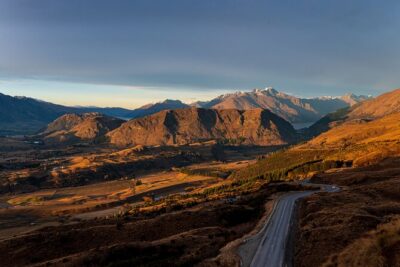
Half Day Skippers Canyon Queenstown Private Photography Adventure
Read our review →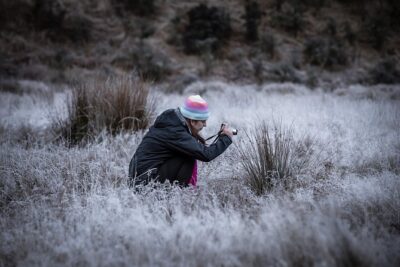
Private Half Day Photography Tour of Queenstown | Skippers | Glenorchy
Read our review →
Half Day Queenstown & Beyond Private Scenic Photography Tour
Read our review →
Private Full Day Photo Tour of Queenstown | Skippers | Glenorchy | Wanaka |Otago
Read our review →
AuthenticAs Discover Queenstown – Professional Photography & Exclusive 4WD Tour
Read our review →Private Full Day Photo Tour of Queenstown | Skippers | Glenorchy | Wanaka |Otago
Read our review →Browse the lists this tour appears in